Why Software Development Budgets Spiral Out of Control — Breaking the “Black Box” of Outsourcing with Task-Based Development

Many companies struggle with software development projects due to budget overruns and lack of visibility into progress. Why do estimates keep increasing, and why do projects lose direction? This article breaks down the root causes behind failed software development projects and explains how ORT’s “Task-Based Development” creates transparency and delivers real business value.

Why Software Development Budgets Spiral Out of Control — Breaking the “Black Box” of Outsourcing with Task-Based Development
Many companies struggle with software development projects due to:
- budget overruns
- lack of transparency in progress
- unclear development processes
Why do estimates continuously increase, and why do projects often lose direction?
In this article, we explore the fundamental reasons behind failed software development projects and explain how ORT’s Task-Based Development model creates transparency and functions effectively in real business environments.
1. The Real Reason Software Development Budgets Increase
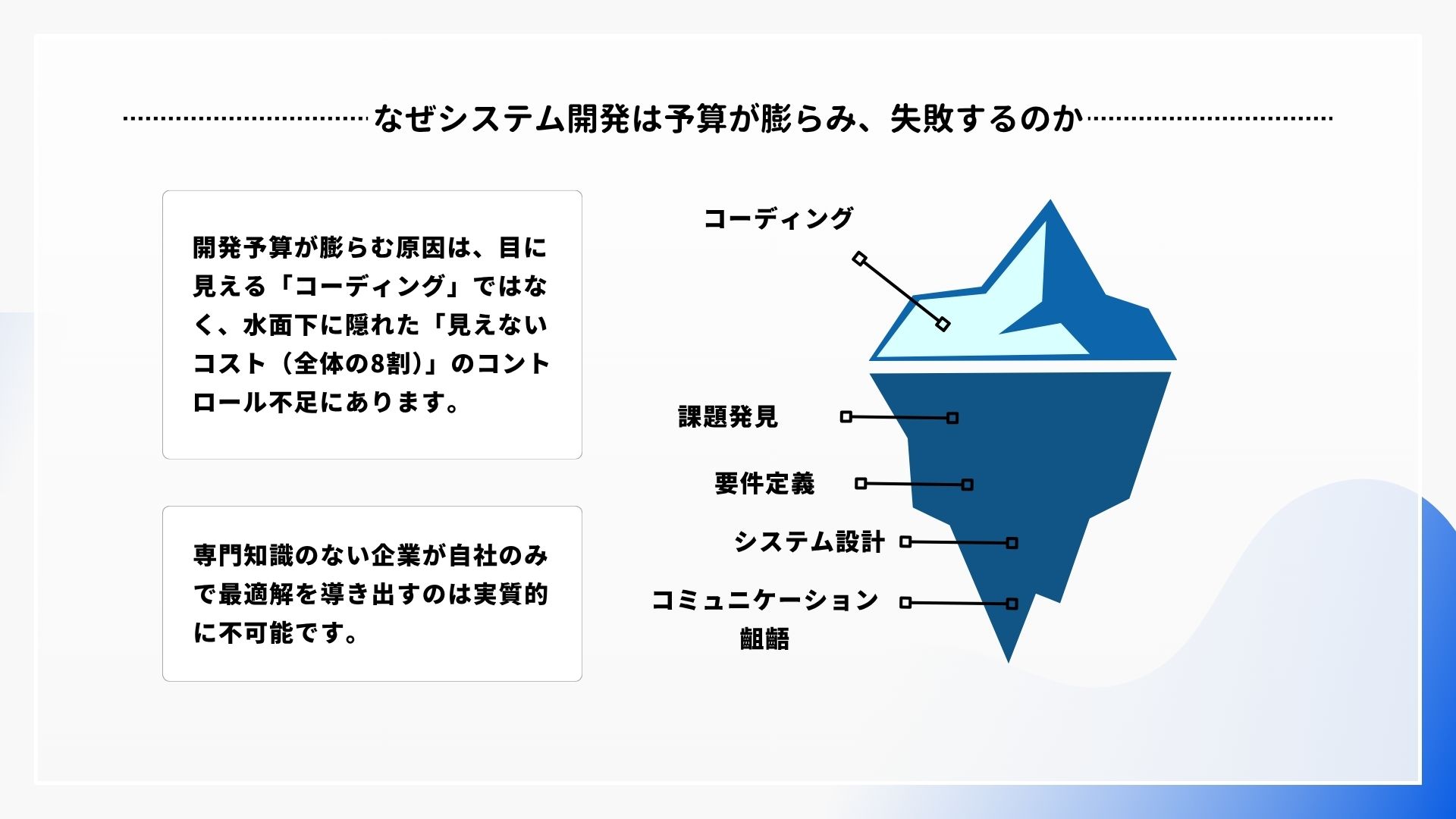
The reason development budgets expand is not simply because of visible coding work.
In reality, a large portion of development costs comes from “invisible underwater costs,” such as:
- identifying business problems
- requirement definition
- system design
- communication gaps
- misunderstandings between stakeholders
These hidden factors often account for nearly 80% of the total development effort.
Attempting to solve these challenges entirely in-house also creates major difficulties, including:
- high recruiting costs for skilled engineers
- ongoing fixed salary burdens
- limited access to specialized expertise
As a result, many companies ultimately choose to outsource development.
However:
outsourcing without understanding these hidden costs often leads to project delays and unexpected additional implementation costs.
This is one of the most common causes of software development failure.
2. The Trap of “Risk Buffers” and Black-Box Outsourcing
Outsourcing itself is not the problem.
The real issue is outsourcing without understanding the structural problems of traditional software development models.
In conventional outsourcing, where hidden costs are not visible, companies often face two major dilemmas.
Hiring Large Enterprises (Expensive Risk Buffers)
Large vendors often include substantial “risk buffers” in their estimates to protect themselves from uncertainty.
As a result:
- budgets become extremely expensive
- estimates increase whenever requirements change
- project costs continue to grow over time
Hiring Low-Cost Vendors (“Cheap but Risky”)
On the other hand, low-cost vendors frequently lack transparency.
Clients cannot clearly see:
- where costs are being spent
- actual development progress
- detailed task execution
Both situations ultimately lead to the same structural problem:
the outsourcing process becomes a “black box.”
Clients lose visibility into development progress, while developers become defensive against constant requirement changes.
Instead of creating a collaborative partnership, the relationship becomes increasingly reactive and stressful.
3. How “Chiho Client” Creates Full Transparency
To solve this problem, ORT uses its proprietary platform:
Chiho Client
to fully visualize development progress and operational transparency.
What Chiho Client Provides
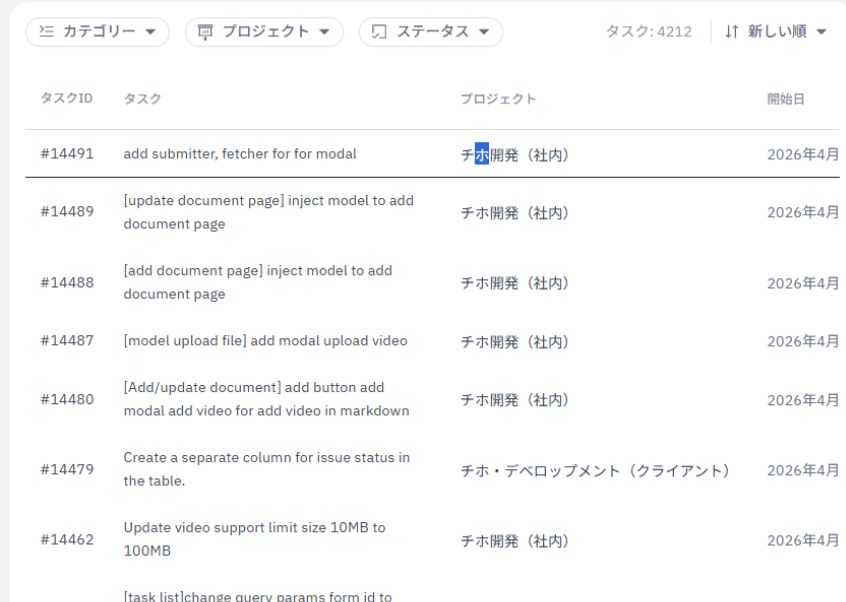
- Task-Level Visibility
Clients can monitor the real-time progress of:- new features
- bug fixes
- issues
- ongoing development tasks
Every task records:- who worked on it
- what was completed
- how much time was spent
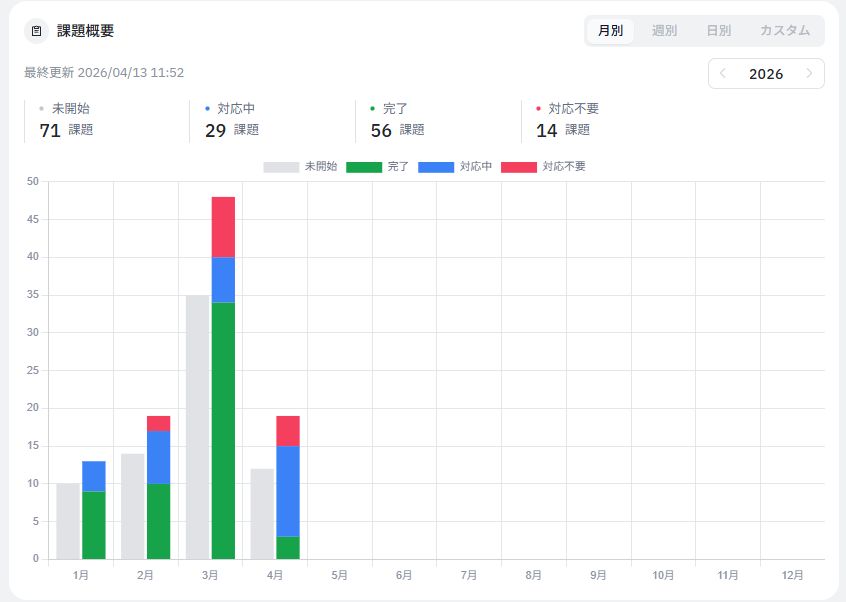
- Task Consumption Tracking
Monthly task usage is clearly displayed through dashboards. - Fast PDCA Cycles
Development improvements can be accelerated through:- monthly reports
- weekly reviews
- recurring improvement meetings
As a result:
opaque development processes are eliminated.
Even without technical expertise, clients can accurately understand:
- what is happening
- what is being developed
- current project progress
This creates a fully transparent development environment.
4. Three Guarantees That Eliminate Budget Overrun Risks
The biggest advantage of Task-Based Development is its payment structure, which minimizes business risk for clients.
Clients do not pay for:
- engineer attendance
- idle working hours
Instead, they pay only for:
completed development results (tasks).
1. No Risk of Budget Overruns
Your agreed monthly fee acts as the maximum cost ceiling.
You will never be charged beyond that amount without prior consultation.
If additional development resources are required, discussions happen in advance.
2. No Risk from Business Changes
Development resources can be adjusted monthly according to your business situation, including:
- scaling up
- scaling down
- cancellation if necessary
This provides significantly more flexibility than traditional fixed-contract development.
3. No Risk of Losing Your Assets
Even if the contract ends:
- source code
- completed deliverables
- development assets
remain owned by the client.
In other words:
instead of paying for unclear estimates and hidden risk buffers, clients invest only in real development outcomes.
This creates a far more rational and predictable development model.
5. Conclusion
Software development failures are rarely caused by the abilities of the people involved.
More often, failures are caused by:
- outdated development models
- lack of transparency
- inefficient communication structures
ORT’s Task-Based Development solves these problems by:
- visualizing every task
- eliminating budget overrun risks
- aligning incentives between clients and developers
With 100% transparent development processes, software development becomes more than outsourcing:
it becomes a reliable foundation for accelerating your business growth.
6. Reference
If you would like to learn more about Task-Based Development, please review the material below or contact us through the inquiry form on our website.