Building a Real-Time Trading Competition Platform: Lessons from the dYdX Arena Project

Insights from developing a secure, real-time competition system for one of the most active trading communities.
Summary
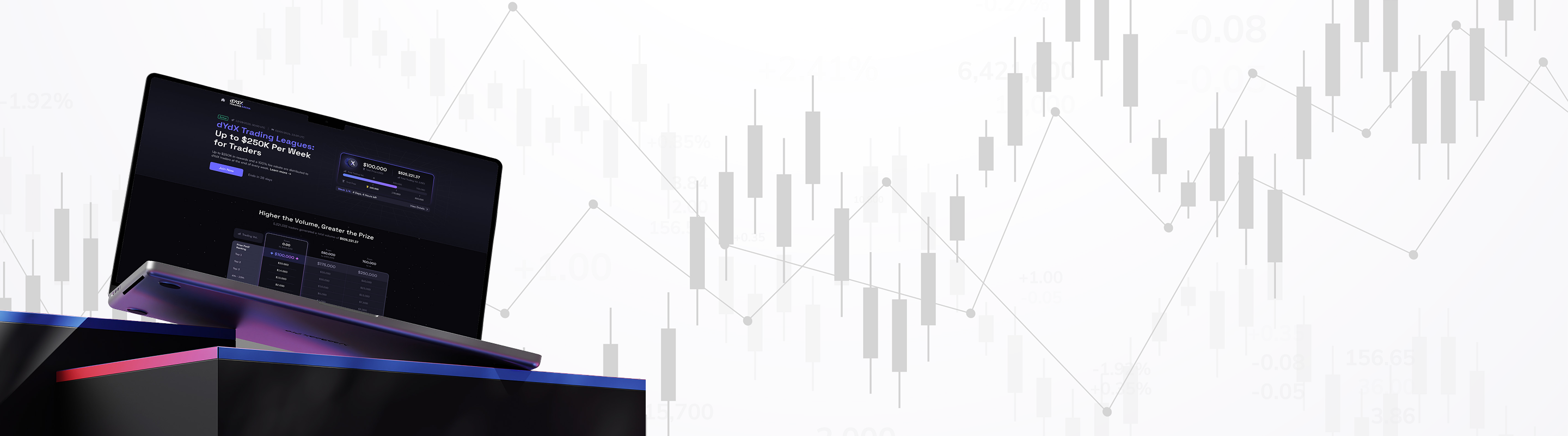
This article breaks down the core engineering challenges behind the dYdX Trading Arena project, real-time updates, leaderboard fairness, API limits, and UX for competitive trading, based entirely on publicly available information from the dYdX community.
1. The Core Challenges of a Trading Arena Platform
A competition system must be fast, fair, and stable, even under heavy load.
- Real-Time Leaderboard Users expect instant rank updates. The system must handle rapid score changes without lag or inconsistency.
- Strict API Rate Limits dYdX provides high-quality APIs, but limits still apply. A competition platform must stay within these constraints while updating hundreds or thousands of participants.
- User Load & Fairness
Large competitions create spikes in:
- simultaneous requests
- trading activity
- ranking recalculations
Ensuring fairness, no delayed ranking, no missed updates, is essential. → The platform must operate reliably in real-time without compromising accuracy.
2. Technical Architecture Overview
A multi-layer system built for speed and correctness. (Based strictly on what dYdX has made public.)
- Backend Services
- Fetch real-time trading data
- Validate trading volume, PnL, or other competition metrics
- Score participants per the rules defined by the organizer
- Competition Logic
Public documentation indicates support for:
- custom scoring logic
- multi-round competitions
- reward distribution based on rank
- Data Pipelines
Data must be:
- ingested
- normalized
- processed
- cached
- pushed to the leaderboard All within seconds to maintain smooth gameplay.
- Anti-Cheat Measures
As public sources note, the Arena includes mechanisms such as:
- validation of trade authenticity
- filtering suspicious or invalid transactions
- consistency checks between API updates → Even in a public version, consistency and correctness remain the backbone of the system.
3. Handling Real-Time Performance
Serving updates fast, without overloading the system.
- WebSocket vs Polling WebSockets allow real-time push updates to users. Polling still plays a role for fallback and periodic verification.
- Caching Strategies
Heavy recalculation on every request is not feasible.
Smart caching ensures:
- rapid leaderboard updates
- fewer API calls
- predictable performance under stress
- Rate-Limit Protection
To avoid API bans or stalled updates:
- requests are queued
- data is throttled intelligently
- redundant calls are removed → The platform stays responsive without breaking API rules.
4. UX for Competitive Trading
Performance is only half, competition UX must feel fair and exciting.
- Live Ranking Updates
Users should instantly see:
- rank changes
- score jumps
- gaps between competitors This creates urgency and engagement.
- Reward Visibility
Clear reward information helps participants understand:
- prize tiers
- distribution rules
- current payout estimation
- Multi-Device Sync
Based on public specs, the system is designed to work smoothly across:
- desktop
- tablet
- mobile Keeping UI consistent ensures a fair competition experience.
5. Lessons Learned
Practical insights grounded in what the project revealed publicly.
- What Worked Well
- Clear scoring logic simplifies backend design
- Smart caching reduces API pressure while keeping updates fresh
- Modular rule configuration allows many types of competitions
- Pain Points
- Handling traffic spikes during peak trading periods
- Balancing frequency of updates with API limitations
- Ensuring fairness when data sources have timing differences
- Future Improvements (as hinted in public materials)
- More advanced anti-cheat
- Faster refresh cycles
- Additional competition formats
- Expanded reward mechanics
Conclusion
The dYdX Trading Arena demonstrates what it takes to build a real-time, high-load competition platform: fast APIs, strong backend pipelines, consistent scoring, and a UX that keeps users engaged. Although only public information is referenced here, the project clearly highlights the engineering complexity of blending blockchain data, trading logic, and real-time interaction into a single, seamless system.